
Accessible Travel in Anchorage 2026: Tips for Visitors with Mobility & Accessibility Needs
Anchorage isn’t always the first destination that comes to mind for travelers with mobility challenges, but it’s more accessible than its reputation as a rugged outdoor city might suggest. The city has paved trail systems, ADA-compliant cultural venues, and tour operators who can accommodate wheelchair users and visitors with limited mobility. This guide gives you the honest, practical information you need to plan confidently — including what works well and where the real limitations are.
Accessible Trails and Outdoor Viewpoints
Tony Knowles Coastal Trail
The 11-mile Tony Knowles Coastal Trail is Anchorage’s most accessible outdoor experience. The entire trail is paved, relatively flat, and wide enough for wheelchairs and mobility devices throughout its length. Multiple parking areas with accessible parking spaces and restrooms (including accessible facilities at Westchester Lagoon and Kincaid Park) make it easy to access different sections without committing to the full distance. The Coastal Trail offers outstanding views of the Knik Arm, frequent moose sightings, and Denali on clear days — all without leaving a smooth paved surface.
Earthquake Park
Earthquake Park, on the western end of Northern Lights Boulevard at the Coastal Trail, has a paved parking area, accessible restrooms, and a short paved interpretive path that explains the 1964 Good Friday Earthquake and its visible effects on the landscape. The terrain beyond the main path is uneven and not suitable for wheelchairs, but the viewpoint and interpretive area are accessible. This is one of the most historically significant and visually interesting accessible stops in Anchorage.
Potter Marsh Bird Sanctuary
Potter Marsh, about 10 miles south of downtown on the Seward Highway, has a long wooden boardwalk extending over the wetland that’s accessible to wheelchair users and visitors who need a flat, stable surface. The boardwalk offers excellent birding (migratory shorebirds, waterfowl, Arctic terns) and salmon viewing in season. The parking area is gravel but compact, and the boardwalk entry is level. This is one of the best accessible wildlife viewing experiences in the Anchorage area.
Flattop Mountain Trailhead Viewpoint
The Glen Alps trailhead that serves Flattop Mountain in Chugach State Park has accessible parking and a paved viewpoint area near the trailhead that delivers excellent mountain views without requiring any hiking. The trail itself is not wheelchair accessible, but the upper parking area sits at elevation with sweeping Chugach views that are worth the drive regardless. There’s a day-use fee to access the trailhead.
Westchester Lagoon
The lagoon near downtown has paved paths around its perimeter, accessible parking, and frequent waterfowl activity. It’s a pleasant, level loop well-suited for wheelchair users and connects to the Coastal Trail system.
Accessible Museums and Cultural Attractions
Anchorage Museum
The Anchorage Museum is fully ADA-compliant, with elevator access between floors, accessible restrooms, automatic door openers, and accessible parking in the adjacent garage. The museum’s main entrance on 7th Avenue has a flat approach. Wheelchairs are available for loan at the main desk at no charge. All permanent galleries are accessible, and the museum’s café is wheelchair-navigable. This is the single most comprehensive indoor cultural experience in Anchorage and works well for visitors with any mobility level.
Alaska Native Heritage Center
The Alaska Native Heritage Center’s main Welcome House is wheelchair accessible, with ramp access and accessible restrooms. The outdoor Lake Tiulana walking path that connects the village exhibits is paved and generally accessible, though some sections have gentle grades. The village exhibits themselves have accessible entry. Staff are experienced in accommodating visitors with varying mobility needs — it’s worth calling ahead if you have specific questions.
Alaska Zoo
The Alaska Zoo’s paths are paved throughout, with accessible parking and restroom facilities. Some sections have modest grades, but the overall layout is navigable for wheelchair users. The zoo rents manual wheelchairs. This is a reliable fully accessible attraction for visitors of all ages and mobility levels.
Accessible Transportation
Rideshare and taxis: Uber and Lyft both operate in Anchorage, and both platforms have options to request accessible vehicles (WAV — wheelchair accessible vehicles) through their apps, though availability can be limited outside peak hours. Borealis Cab and Yellow Cab Anchorage both operate accessible taxi vehicles; call ahead to reserve. For airport arrivals, accessible vehicle pickup is available at Ted Stevens Anchorage International Airport’s ground transportation area.
People Mover (Municipal Transit): Anchorage’s bus system, People Mover, operates low-floor buses with ramp access and securement positions for wheelchair users on all routes. The fare is low and the system covers the main corridors of the city, though coverage is limited in some neighborhoods. Route information and accessibility details are on the Municipality of Anchorage website.
AnchorRides (Paratransit): AnchorRides is Anchorage’s ADA paratransit service, providing door-to-door transportation for riders who can’t use fixed-route buses due to disability. Service operates within the same geographic and time parameters as People Mover fixed routes. Registration is required in advance — contact the Municipality of Anchorage for eligibility and registration details before your trip. If you’re planning to rely on AnchorRides, register well ahead of arrival.
Rental cars: Most rental agencies at Ted Stevens International offer hand-control-equipped vehicles with advance notice — typically 48–72 hours minimum. Confirm when booking rather than at the counter.
Accessible Accommodations
ADA-compliant rooms are available across Anchorage’s hotel inventory, though the specific features (roll-in shower vs. tub with grab bars, room layout, door width) vary significantly by property. A few notes:
- Embassy Suites by Hilton Anchorage — accessible suite options with separate living areas, good for longer stays or travelers who need space to maneuver.
- Hotel Captain Cook — downtown, ADA rooms available, walkable to the museum and Coastal Trail access points.
- Marriott and Hilton properties in midtown — generally well-maintained ADA room inventory; call to confirm specific features rather than relying solely on online descriptions.
When booking, ask specifically: roll-in shower or grab bars? Door width? Proximity to elevator? Distance from accessible parking? Online booking descriptions for accessible rooms are often imprecise — a direct call to the property before booking avoids unpleasant surprises on arrival.
Accessible Glacier and Wildlife Tours
Several tour operators in and around Anchorage can accommodate visitors with limited mobility, but it requires asking specifically rather than assuming. Some options worth exploring:
- Matanuska Glacier tours — some glacier tour operators offer vehicle-based or near-vehicle glacier viewing that doesn’t require extended hiking. Ask about accessible viewing options when booking.
- Wildlife viewing cruises from Whittier — boat-based wildlife cruises in Prince William Sound can often accommodate wheelchair users; vessel accessibility varies by operator, so confirm in advance.
- Flightseeing — small plane flightseeing tours from Anchorage can accommodate most mobility levels; boarding a small aircraft requires some physical transfer, but operators are generally experienced in assisting passengers. Call ahead to discuss your specific needs.
Get Up and Go Tours and Adventures by True North both offer Anchorage area experiences — contact them directly to discuss what accessibility accommodations they can offer for specific tours, as options vary by trip type and season.
Winter Accessibility Considerations
Winter adds real complexity to Anchorage accessibility planning, and it’s worth being direct about it: icy sidewalks and snow-covered paths are a significant barrier for wheelchair users and anyone with balance or mobility challenges. What works well in July may be genuinely difficult in January.
Practical winter notes:
- Sidewalk conditions vary by neighborhood and weather. Downtown and Midtown sidewalks are generally sanded and treated after snow events, but not instantly. Side streets can be icy for days after a snowfall.
- The Coastal Trail is groomed for Nordic skiing in winter — this means it’s compacted snow rather than pavement, which is not wheelchair accessible.
- The Anchorage Museum, Alaska Zoo, and other indoor attractions are fully accessible year-round — winter visits can shift focus toward indoor cultural experiences rather than outdoor activities.
- Studded tires on manual wheelchairs exist as products — some Anchorage residents with disabilities use them for winter navigation. Worth researching if you’re planning a winter visit and rely on a manual chair.
- Ice cleats for companions and guides are standard equipment from November through March. Many Anchorage residents carry them in their bags.
The honest bottom line: spring through fall (May–October) is significantly more accessible than winter for outdoor experiences. If winter travel is necessary, lean into indoor attractions, plan for variable sidewalk conditions, and build extra time into all ground transportation.
Anchorage’s accessibility has room to improve, but the foundation is there — paved coastal trails, ADA-compliant cultural venues, and an increasing number of tour operators who’ve invested in inclusive options. Planning ahead and asking specific questions before you arrive is the most reliable path to a trip that works.
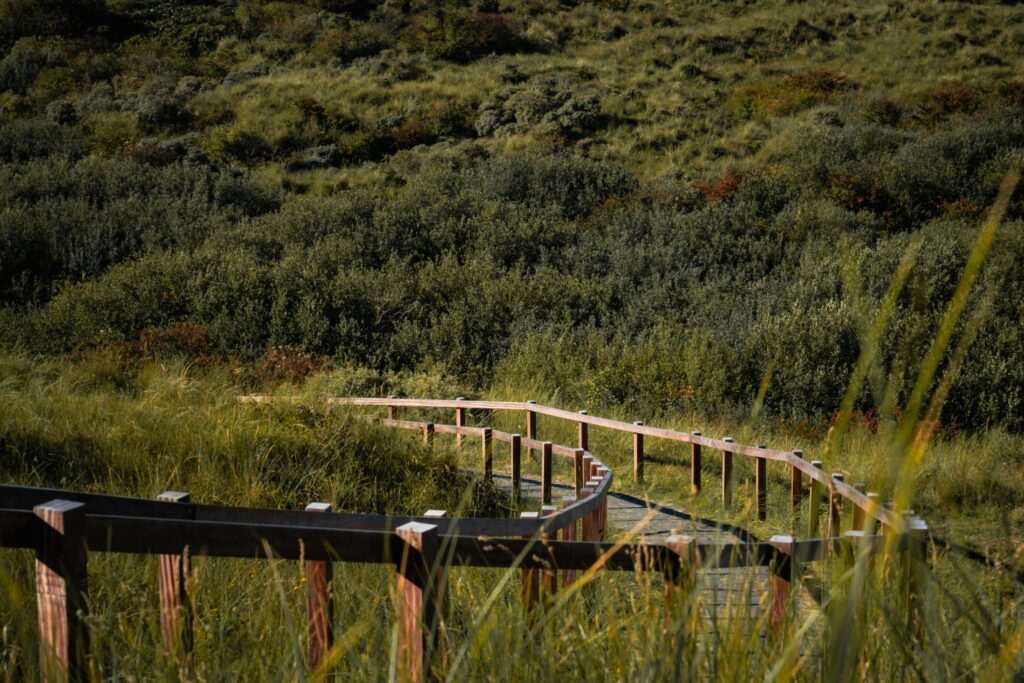
Featured photo by Ylanite Koppens via Pexels.

No comments yet.