
Iditarod Anchorage 2026: Dog Mushing History, the Ceremonial Start & How to Watch
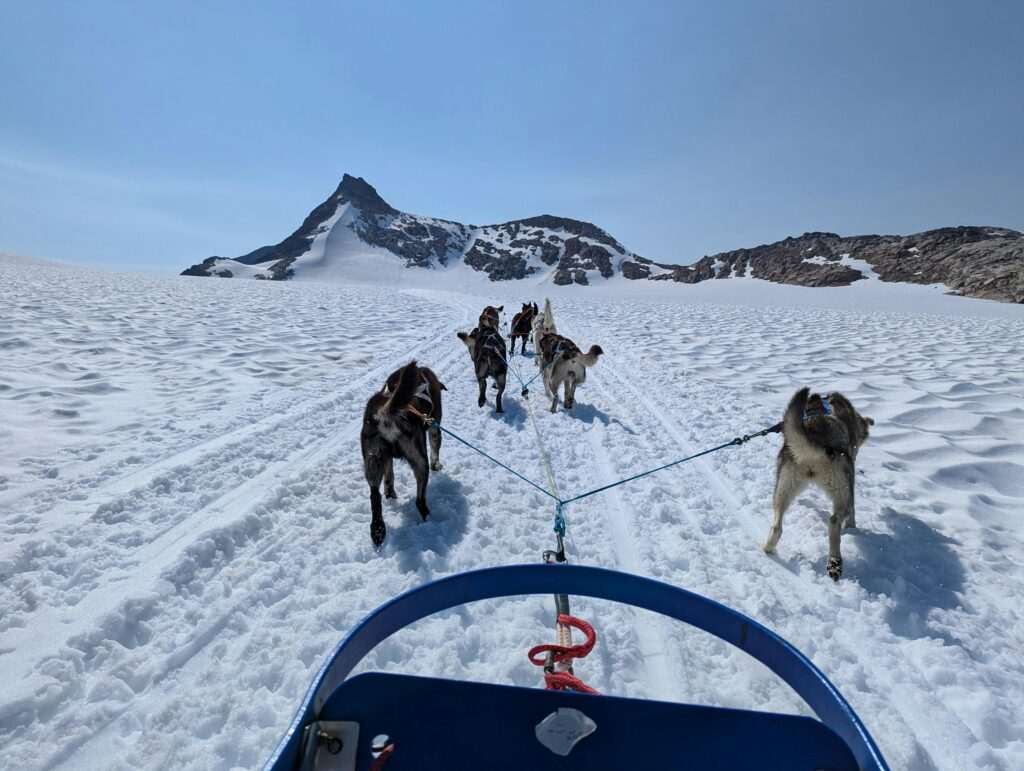
Every March, Anchorage transforms. Downtown streets fill with spectators wrapped in parkas, mushers hug their dogs one last time before the start line, and the air carries that particular mix of cold, excitement, and something that doesn’t have a name but feels distinctly Alaskan. The Iditarod’s Ceremonial Start is free, it’s spectacular, and it’s one of the most genuinely unique events you’ll find anywhere in North America.
Here’s what to know before you go.
What the Iditarod Actually Is
The Iditarod Trail Sled Dog Race covers roughly 1,000 miles of Alaska wilderness — from Anchorage to Nome along the old Iditarod Trail. Mushers and their dog teams cross mountain passes, frozen rivers, and remote tundra in conditions that can range from brutal cold to unexpected warmth, navigating checkpoints in small villages that don’t see much outside traffic the rest of the year.
It’s not just a race. For the communities along the route, the Iditarod is the annual arrival of the outside world — supply drops, volunteer veterinarians, reporters, and the kind of organized human movement that doesn’t happen any other time. For the mushers, it’s a test of endurance, dog care, and route strategy that takes months of preparation and years of experience to compete at a high level.
The race typically finishes in 9–15 days. Winners have completed it in just over 8 days; that record reflects both elite dog breeding and a level of trail reading that takes decades to develop.
The 1925 Serum Run: Where It All Started
The Iditarod Trail got its name from a former gold rush town, but the route became famous in 1925 when a diphtheria outbreak threatened Nome. With no roads to the coast and the port iced over, relay teams of mushers raced 674 miles of trail to deliver life-saving antitoxin serum in less than six days.
Twenty mushers participated. The final leg was run by Gunnar Kaasen, whose lead dog Balto became the subject of a famous statue in New York City’s Central Park. Leonhard Seppala — who completed the longest and most dangerous leg of the relay — is widely considered the true hero of the run.
The modern Iditarod, which started in 1973, was built on the legacy of that relay. It covers a longer route and includes Nome as the finish line specifically to honor the 1925 rescue. If you’re standing on 4th Avenue watching a team depart, you’re witnessing something with a 100-year story behind it.
The Ceremonial Start in Anchorage
The Iditarod traditionally begins with a Ceremonial Start on 4th Avenue in downtown Anchorage on the first Saturday of March. This isn’t the competitive start — that happens separately in Willow — but it’s absolutely the start worth seeing if you’re visiting the city.
Teams launch from 4th Avenue and mush through the streets and trail system of Anchorage, covering about 11 miles before returning. The crowds line the route, mushers wave and talk to spectators along the way, and the whole thing feels accessible in a way that major sporting events usually don’t. You can stand a few feet from the starting chute and watch 40+ teams depart one by one across a couple of hours.
It’s free to attend. The main viewing area on 4th Avenue tends to fill up by late morning, so arriving by 9 a.m. gives you good position without a multi-hour wait. Dress for cold — temps in early March can sit anywhere from 5°F to 35°F — and bring hand warmers if you’re planning to stay for multiple team launches.
If you’d like guided context for what you’re watching, companies like Adventures by True North and Get Up and Go Tours offer winter Anchorage itineraries that can incorporate Iditarod start viewing, which makes the experience richer if you’re new to mushing culture.
The Official Restart in Willow
The competitive Iditarod starts the following day, typically in Willow, about 70 miles north of Anchorage along the Parks Highway. This is where the race clock starts and where the rankings that matter begin.
Willow’s restart draws its own crowd — it’s more low-key than the Anchorage start, but if you want to witness the moment racing actually begins, the drive north is worth it. Teams depart roughly 2 minutes apart, so watching plays out over several hours. The atmosphere is looser than downtown Anchorage, and you’ll often find yourself standing close to mushers’ handlers and support crews.
The Iditarod Headquarters in Wasilla
You don’t need to visit in March to connect with mushing culture. The Iditarod Trail Sled Dog Race Headquarters sits in Wasilla, about 45 miles north of Anchorage, and it’s open year-round as a visitor center. The museum traces the history of the race through artifacts, photographs, and exhibits about the mushers and dogs who’ve defined it. Husky rides are available seasonally, and the staff includes people who are deeply embedded in the mushing world.
The headquarters pairs naturally with a Mat-Su Valley day trip from Anchorage. You can combine it with a stop at Hatcher Pass, a drive to the Knik Glacier, or just a slower afternoon exploring the valley before heading back down the Parks Highway.
Fur Rendezvous: February Mushing Before the Iditarod
The Anchorage Fur Rendezvous — universally called “Rondy” — happens in February, about two weeks before the Iditarod starts. It’s Anchorage’s biggest winter festival, and one of its marquee events is the World Championship Sled Dog Race, a sprint mushing competition on a 25-mile course through downtown Anchorage.
Sprint mushing is different from distance mushing. The dogs are smaller, leaner breeds built for speed rather than endurance, and the race format runs as a series over multiple days rather than a single long haul. Watching the teams hit their stride through city streets is something that doesn’t have a real equivalent elsewhere in the country.
Rondy also includes fireworks, a carnival, fur auctions, and a series of community events that pull Anchorage’s neighborhoods together during the darkest stretch of winter. If you’re visiting in mid-to-late February, it’s worth planning your trip around the festival schedule.
Year-Round Sled Dog Culture in the Region
Beyond the race season, Anchorage and the surrounding region offer genuine access to mushing culture if you know where to look. Several outfitters and kennels in the Matanuska-Susitna Valley offer winter sled dog tours, where you can ride in a sled or even drive a small team yourself. These aren’t tourist approximations — they’re working kennels whose dogs train for distance racing.
If you want to round out a winter trip to Anchorage with other outdoor experiences, Chugach State Park sits right on the city’s eastern edge and offers snowshoeing and cross-country skiing on the same kind of terrain Alaska’s dog teams have trained on for generations.
Practical Planning Notes
- Iditarod Ceremonial Start: First Saturday of March; 4th Avenue downtown Anchorage; free
- Official Restart: Following Sunday in Willow; ~70 miles north via Parks Highway (AK-3)
- Fur Rendezvous: Mid-February; events throughout Anchorage over ~10 days
- Iditarod HQ: Wasilla; open year-round; check iditarod.com for seasonal programming
- What to wear: Base layer, insulated mid-layer, waterproof outer shell, waterproof boots, hand warmers — no shortcuts
- Accommodations: Book early — downtown Anchorage hotels sell out weeks before the Ceremonial Start weekend
The Iditarod isn’t just a race. It’s a window into Alaska that hasn’t been filtered through a tourism lens. Standing on 4th Avenue watching a team disappear down the trail, you get a sense of what makes this place different from anywhere else you’ve been. You don’t have to be a mushing fan to feel it.


No comments yet.