
Alaska Summer Packing List 2026: What to Bring to Anchorage
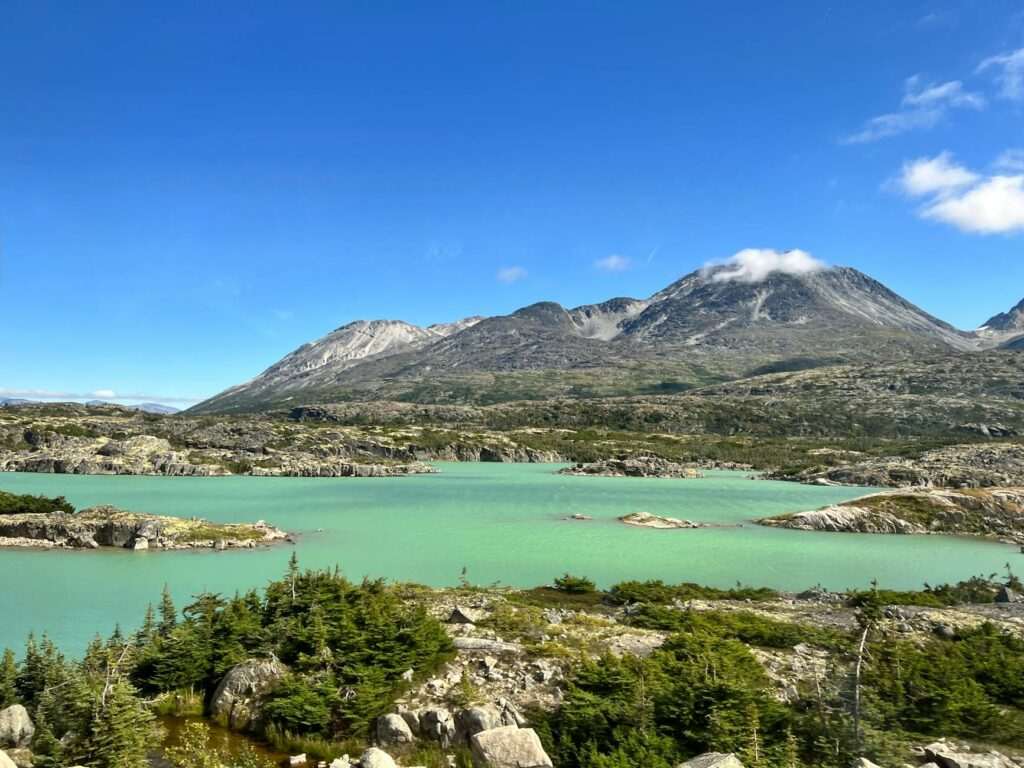
Packing for Anchorage in summer sounds simple until you look at a week’s forecast and see 48°F and rain on Tuesday, 72°F and sunny on Thursday, and 55°F with wind on Saturday. That’s a normal summer week here. The city sits at the edge of the Chugach Mountains, which create their own micro-weather patterns, and the combination of ocean air from Cook Inlet and elevation means conditions shift fast. The visitors who are most comfortable are the ones who packed for the full range — not just the sunny days.
Here’s what to bring for a summer trip to Anchorage in 2026.
Clothing: Layers Are Non-Negotiable
The layering system isn’t just hiking advice — it’s how Anchorage works in summer. Morning temperatures typically run 45–55°F, afternoon highs reach 65–75°F on good days, and evenings drop back quickly, especially if you’re near water or at elevation.
- Waterproof jacket (mandatory). Not water-resistant — waterproof. Rain is common from June through August, sometimes in short bursts and sometimes all day. A packable hardshell that fits in a day pack is the most useful item you can bring.
- Merino wool or synthetic base layer. Avoid cotton entirely. When cotton gets wet — from rain or sweat — it stays cold and doesn’t dry. Merino wool or synthetic base layers dry quickly and maintain warmth when damp. Bring two to three.
- Light fleece or insulating mid-layer. You’ll wear this under your rain jacket on cooler days and alone on warmer evenings. A fleece or down vest is enough for most summer conditions.
- Long pants and shorts. You’ll use both. Convertible pants are genuinely useful here, not just a travel gimmick.
- Sun hat or cap. With 19+ hours of daylight near the solstice, UV exposure is real even on partly cloudy days. The sun stays surprisingly high in the sky all afternoon and into what feels like evening.
- Light gloves and a beanie. Optional for city days, but worth having for early-morning hikes, boat tours on the water, or any time you head toward elevation. Takes almost no space.
Footwear
- Waterproof hiking boots. Essential if you’re doing any trails. The Chugach State Park trail system has paths that range from groomed gravel to muddy alpine routes. Waterproof boots handle both. Make sure they’re broken in before you arrive — nobody wants blisters on day two.
- Comfortable city walking shoes. Anchorage has good walkable neighborhoods (the coastal trail, downtown, Spenard) where you’ll want something lighter than hiking boots. Trail runners work well as a two-in-one option.
- Sandals or slip-ons. Nice to have for the hostel, hotel, or downtime. Not necessary for most outdoor activities.
Gear
- Bear spray. Required if you’re hiking anywhere outside of city limits, and strongly recommended for popular trails like Flattop or the Eklutna Lake area. Brown and black bears are active throughout summer. Purchase or rent bear spray in Anchorage rather than trying to fly with it — REI and most outdoor retailers stock it. Know how to use it before you hit the trail.
- Day pack (20–30L). You’ll carry layers, water, snacks, and rain gear on most outings. A pack in this range handles day hikes and boat tour days without being overkill for city use.
- Reusable water bottle. Anchorage tap water is clean and excellent. Staying hydrated on long summer days when the sun doesn’t set is easier than you’d expect to forget.
- Trekking poles (optional). Useful for longer hikes in Chugach State Park. Not necessary for most casual visitors, but worth considering if you have knee issues or plan technical routes.
- Binoculars. You’ll see wildlife from the road and on boat tours — beluga whales in Turnagain Arm, moose in wetlands, Dall sheep on the Chugach ridgelines. A compact pair of 8×42 binoculars fits in a day pack pocket and gets used constantly.
Documents & Logistics
- Alaska fishing license. If you plan to fish (salmon runs peak July–August near Anchorage), you need a state fishing license. Purchase online at adfg.alaska.gov before you arrive — it’s significantly easier than hunting down a license at a local retailer on the way to the river.
- National Park/Federal Lands pass. If your itinerary includes Kenai Fjords National Park or Chugach National Forest facilities, an America the Beautiful pass ($80/year) pays for itself quickly. Chugach State Park is separate and charges a daily parking fee at most trailheads.
- Rental car reservation. Anchorage’s public transit is limited. A rental car opens up everything within two hours: Portage Valley, Seward, the Matanuska Glacier, the Kenai Peninsula. Book months in advance for summer — cars sell out, and last-minute Anchorage rentals are expensive.
- Travel insurance documentation. Medical evacuation from remote Alaska is costly. If you’re doing any backcountry activities, verify your coverage and carry documentation.
Tech
- Offline maps. Download Anchorage and the surrounding region in AllTrails, Gaia GPS, or Google Maps before you leave. Cell service disappears quickly outside the city, and you don’t want to be navigating a trailhead parking lot without a map.
- Portable charger. Long daylight days mean long days out. A 10,000–20,000mAh battery bank keeps your phone, camera, and headlamp batteries alive through a 14-hour outing.
- Camera or phone with a good lens. Alaska light in summer is extraordinary — the golden hour that lasts from 10pm to 1am in June is unlike anything most visitors have seen. Wildlife encounters are common on guided tours like those offered through Adventures by True North and Get Up and Go Tours. You’ll want more than a phone camera if you care about the shots.
Health & Comfort
- Sunscreen (SPF 50+). UV intensity at high latitudes surprises almost everyone. The sun is up for 18–22 hours in June and July, it reflects off water and glaciers, and cloud cover doesn’t block UV as effectively as it blocks visible light. Apply every morning, carry it in your day pack, and reapply on water days.
- Sleep mask. This is non-negotiable if you’re sensitive to light. It doesn’t get dark in Anchorage in June. At midnight, the sky is still blue. Blackout curtains in hotels help, but a sleep mask is your backup. Bring one even if you think you won’t need it.
- Bug spray with DEET. Mosquitoes are present on trails and in wetland areas from late May through July. In the city they’re minimal, but on the trails — especially near standing water or in the early evening — they can be relentless. A small bottle of 30–40% DEET spray handles it.
- Lip balm with SPF. Wind and sun together are hard on exposed skin. Easy to forget, irritating to be without.
What NOT to Bring
- Cotton clothing. Already said it, but it bears repeating. Cotton + Alaska rain = cold and miserable. Leave the cotton hoodies and denim at home.
- White shoes. Anchorage trails are muddy in early summer. Even city walks can be damp. Light-colored shoes that you care about won’t last two days here.
- A schedule with no flexibility. Weather affects glacier tours, bear viewing flights, and sea kayaking trips. Book with operators who have cancellation policies and leave buffer days for rescheduling. The visitors who fight the weather lose; the ones who roll with it end up with better stories.
The core of packing for Anchorage is accepting that the weather won’t cooperate on your schedule — and building a kit that makes every version of the day comfortable. A waterproof layer, real boots, a sleep mask, and sunscreen cover most of what surprises first-time visitors. Everything else is easier than people make it.
Featured photo by Monique van Melick on Pexels.

No comments yet.