
Anchorage Hiking Trails Guide: Best Day Hikes 2026
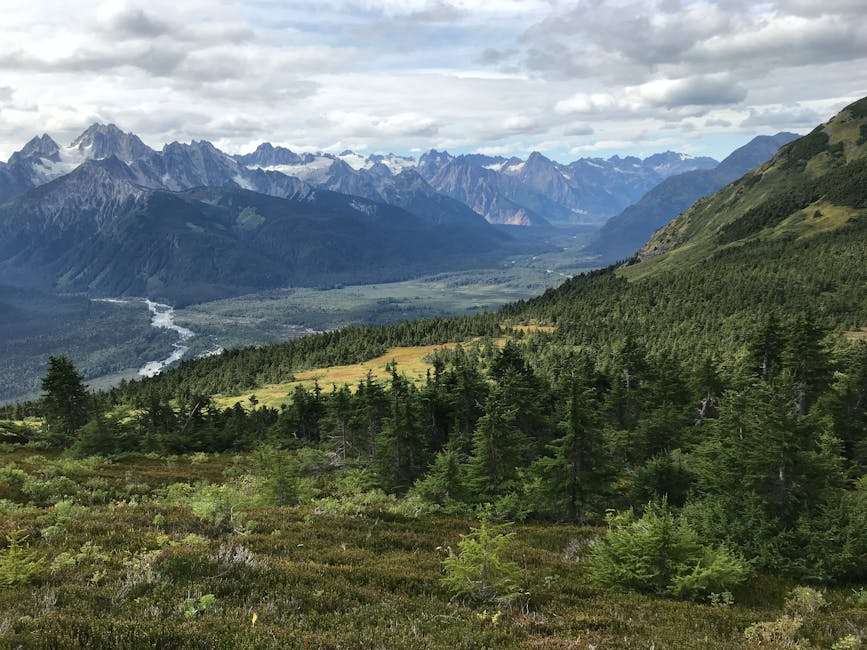
Anchorage sits at the doorstep of some of Alaska’s most accessible and rewarding day hikes. You don’t need to venture far from the city to find trails that showcase everything from coastal views to alpine lakes, wildlife viewing opportunities to challenging mountain ascents. The best part? Most of these hikes are doable in a single day, making them perfect for visitors who want to experience Alaska’s wilderness without committing to multi-day backcountry adventures.
Whether you’re looking for an easy family stroll or a challenging climb that’ll test your endurance, the trail systems around Anchorage deliver variety that’s hard to match. Chugach State Park Trail Systems alone offers nearly 300 miles of maintained trails, making it one of the largest state parks in the United States. That means you could hike a different trail every weekend for years and still find new terrain to explore.
Easy Family-Friendly Day Hikes
If you’re new to Alaska hiking or traveling with kids, start with trails that offer big rewards for minimal effort. The Tony Knowles Coastal Trail runs 11 miles from downtown Anchorage to Kincaid Park, but you can hike any section that matches your energy level. The trail is paved, mostly flat, and offers stunning views of Cook Inlet and Denali on clear days.
For something that feels more like traditional hiking, the Winner Creek Trail near Girdwood provides an excellent introduction to Alaska’s temperate rainforest environment. The 3.2-mile trail to the hand tram is well-maintained, relatively flat, and ends at a fun creek crossing that feels adventurous without being dangerous. You’ll walk through towering Sitka spruce and hemlock forests that give you a taste of Southeast Alaska’s ecosystems.
The Eagle River Nature Center offers several shorter trails that work well for families. The Rodak Nature Trail is just 0.7 miles and includes interpretive signs that help you identify local plants and wildlife. If you’re lucky, you might spot moose, black bears, or the Dall sheep that frequent the area during certain seasons.
Intermediate Hikes for Regular Hikers
Once you’re ready for more elevation gain and longer distances, Anchorage area trails offer plenty of options that challenge without overwhelming. Flattop Mountain is probably the most popular intermediate hike because it delivers 360-degree views for a manageable 3.5-mile round trip with about 1,350 feet of elevation gain.
The trail to Flattop starts from the Glen Alps parking area and follows a well-marked path through alpine terrain. The final push to the summit involves some scrambling over rocks, but it’s nothing too technical. On clear days, you’ll see Denali, Mount Foraker, and the Alaska Range stretching to the north, plus Cook Inlet and the Chugach Mountains in every other direction.
For something with more distance but less elevation, the Powerline Pass Trail offers an 11-mile round trip that takes you through diverse terrain. You’ll start in birch and spruce forest, climb through alpine meadows, and end at a mountain pass with views in both directions. The trail is popular with mountain bikers too, so expect to share the path.
McHugh Creek Trail provides another excellent intermediate option with multiple stopping points depending on how far you want to go. The trail to the overlook is about 3 miles round trip, while continuing to Rabbit Lake adds another 5 miles and significant elevation gain. The overlook alone offers spectacular views of Turnagain Arm and the surrounding peaks.
Challenging Day Hikes for Experienced Hikers
Alaska’s reputation for serious wilderness becomes apparent when you tackle the more challenging day hikes around Anchorage. Mount Baldy, a 6-mile round trip with 2,800 feet of elevation gain, tests your endurance but rewards you with some of the best views in the Chugach Range. The trail isn’t technically difficult, but it’s relentlessly steep and requires good fitness.
For those seeking technical challenge, the Williwaw Lakes Trail offers a 13-mile round trip that combines distance with elevation gain and requires route-finding skills above treeline. You’ll climb about 2,000 feet to reach a series of alpine lakes surrounded by dramatic peaks. The trail is well-marked for the first few miles, but becomes more challenging as you enter the alpine zone.
Bird Ridge, despite its misleading name, provides one of the steepest sustained climbs accessible from Anchorage. The 4-mile round trip gains about 3,000 feet, making it a legitimate workout even for experienced hikers. The payoff is sweeping views of Turnagain Arm and the opportunity to see Dall sheep during summer months.
Seasonal Considerations and Trail Conditions
Alaska hiking seasons are shorter and more variable than what you might expect in the Lower 48. Snow can linger on higher elevation trails well into June, and it often returns by October. July and August offer the most reliable hiking conditions, but they’re also peak tourist season and the busiest time on popular trails.
June can be excellent for hiking if you choose lower elevation trails and don’t mind dealing with muddy conditions from snowmelt. September offers cooler temperatures, fewer bugs, and the beginning of fall colors, but weather becomes more unpredictable and daylight hours start shortening significantly.
Winter hiking is possible on many trails, but it requires proper equipment and experience with snow conditions. Ice cleats are essential, and many hikers switch to snowshoes or microspikes depending on the conditions. Always check current trail conditions before heading out, especially during shoulder seasons when conditions can vary dramatically from day to day.
Wildlife Safety and Bear Awareness
Hiking around Anchorage means sharing the trails with black bears, brown bears, moose, and occasionally wolves. This isn’t cause for paranoia, but it does require awareness and proper preparation. Make noise while hiking, especially around blind corners or in dense vegetation. Many hikers carry bear bells, though talking or calling out works just as well.
Moose encounters are actually more common than bear encounters around Anchorage, and moose can be just as dangerous, especially during calving season (May-June) and rutting season (September-October). If you encounter a moose on the trail, give it plenty of space and wait for it to move off before continuing. Never try to walk around a moose that’s blocking the trail.
For bear safety, carry bear spray and know how to use it. Store all food in bear-proof containers or hang it properly if you’re camping. Most day hikers don’t need to worry about food storage, but avoid eating on the trail and pack out all garbage and food scraps.
Essential Gear for Alaska Day Hiking
Alaska weather can change quickly, even on day hikes, so layered clothing is essential. Start with moisture-wicking base layers, add insulation (fleece or down), and pack a waterproof outer shell even if the forecast looks perfect. Temperatures can drop 30-40 degrees with elevation gain, and afternoon thunderstorms develop quickly.
Good hiking boots with ankle support are worth the investment, especially if you plan to tackle any of the more challenging trails. Alaska’s rocky terrain and potential for loose scree make sturdy footwear important for both comfort and safety.
Navigation tools become more important as you move beyond the most popular trails. GPS devices or smartphone apps with downloaded offline maps provide backup for when trails become less obvious. Big Ray’s in downtown Anchorage is an excellent resource for both gear and local trail advice if you need to outfit yourself before hitting the trails.
Leave No Trace and Trail Etiquette
Alaska’s wilderness feels endless, but the accessible areas around Anchorage see heavy use, making Leave No Trace principles especially important. Pack out everything you pack in, including food scraps and biodegradable items like orange peels and banana peels. What decomposes quickly in warmer climates can persist for months in Alaska’s cooler environment.
Stay on established trails to prevent erosion and vegetation damage. Alaska’s growing season is short, and plants damaged by off-trail hiking can take years to recover. This is especially important in alpine areas where growing seasons are even shorter and vegetation is more fragile.
Respect wildlife by observing from a distance and never feeding animals. This includes small animals like ground squirrels and birds. Fed wildlife becomes habituated to humans, which often leads to aggressive behavior and sometimes requires wildlife management intervention.
Planning Your Hiking Adventure
If you’re new to Alaska hiking or want professional guidance, Go Hike Alaska offers guided day hikes that take the guesswork out of trail selection and safety considerations. Guided trips can be especially valuable for visitors who want to maximize their limited time in Alaska or learn about local flora, fauna, and geology from experienced guides.
For independent hiking, start with easier trails and work your way up to more challenging options. Alaska hiking can be more demanding than similar distances and elevations in other locations due to terrain conditions, weather variability, and the need for increased wildlife awareness.
Check trail conditions before heading out, especially early and late in the season. The Alaska Department of Natural Resources website provides current information about trail closures, bear activity, and seasonal restrictions. Local gear shops and visitor centers also maintain informal networks of current conditions from recent hikers.
Plan for longer hiking times than you might expect. Alaska trails often involve more technical terrain, and the spectacular scenery encourages frequent stops for photos and simply taking in the views. It’s better to choose a shorter hike and enjoy it fully than to rush through a longer trail because you underestimated the time required.
Whether you’re looking for a gentle introduction to Alaska hiking or a challenging summit attempt, the trails around Anchorage provide access to some of the state’s most spectacular scenery. With proper preparation and respect for the environment, day hiking near Alaska’s largest city offers an authentic wilderness experience without requiring major expeditions into the backcountry.
Featured photo by Alex Antsiferov on Pexels.


No comments yet.