
Anchorage Senior-Friendly Activities & Accessibility Guide 2026
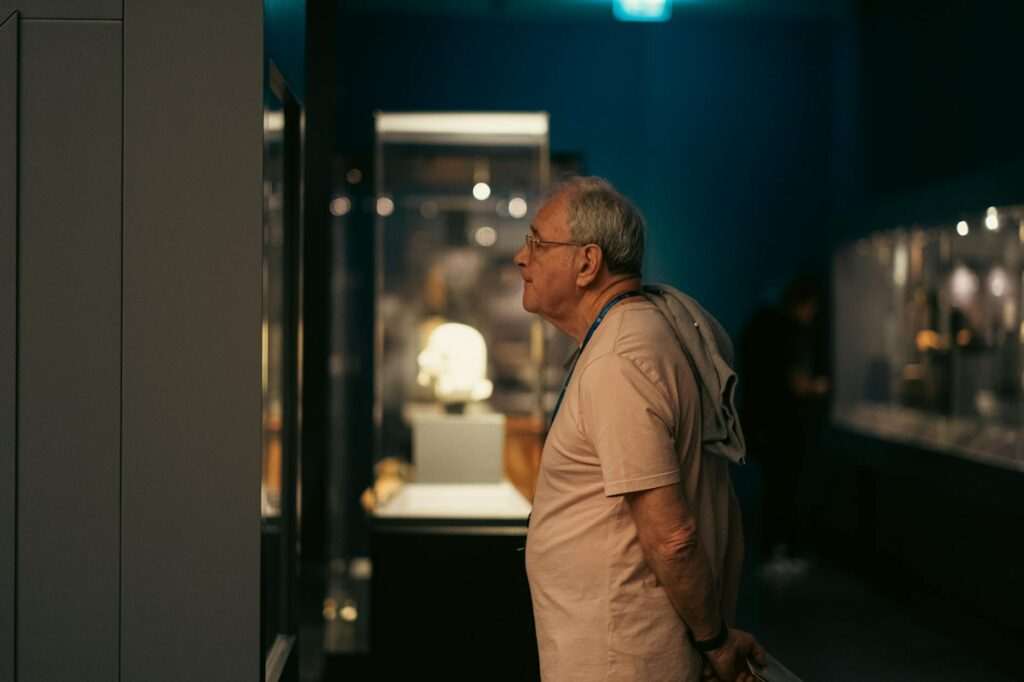
Exploring Anchorage doesn’t require extensive hiking or strenuous activities to be rewarding. The city offers numerous accessible attractions and senior-friendly experiences that showcase Alaska’s culture, history, and natural beauty without demanding physical challenges that might exclude older visitors or those with mobility needs.
Whether you’re traveling with grandparents, have mobility considerations, or simply prefer more relaxed exploration styles, Anchorage provides excellent options for comfortable sightseeing. Here’s your guide to the city’s most accessible and senior-friendly activities.
Cultural Attractions with Full Accessibility
Anchorage Museum: Alaska’s Premier Cultural Destination
The Anchorage Museum stands as Alaska’s finest accessible cultural experience, designed with universal access principles that accommodate all visitors. The museum features elevator access to all floors, wide corridors for wheelchairs and walkers, accessible restrooms, and comfortable seating areas throughout the galleries.
You’ll discover Alaska Native art, natural history exhibits, and interactive displays that don’t require standing for extended periods. The museum’s planetarium offers reserved seating for visitors with mobility needs, and staff members receive training in accessibility assistance. Audio guides and large-print materials accommodate vision needs.
The museum cafe provides table service with accessible seating, making it an ideal rest stop during your visit. Admission prices include senior discounts, and the museum offers extended member parking for longer visits.
Indoor Shopping and Dining Experiences
Anchorage’s indoor shopping centers provide climate-controlled environments perfect for leisurely exploration. 5th Avenue Mall offers accessible entrances, elevator access between floors, and accessible parking spaces close to entrances.
The mall’s design accommodates wheelchairs and walkers comfortably, with wide corridors and accessible restrooms throughout. Multiple seating areas provide rest stops, and several restaurants offer table service for relaxed dining experiences.
Accessible Dining with Alaskan Character
Anchorage restaurants increasingly prioritize accessibility while maintaining authentic Alaskan character. Simon & Seafort’s Saloon & Grill provides accessible entrance, comfortable booth and table seating, and accommodating staff trained in assisting guests with various needs.
The restaurant’s seafood-focused menu features Alaska specialties prepared to accommodate dietary restrictions, with clear menu descriptions and willingness to modify preparations. The dining room design allows easy navigation for mobility aids, and valet parking reduces walking distances from car to table.
Many Anchorage restaurants now feature large-print menus, hearing loop systems, and trained staff who understand accessibility needs without making guests feel conspicuous about requesting accommodations.
Scenic Driving and Easy Walking Options
Alaska’s dramatic scenery remains accessible without hiking trails through several scenic driving routes and easy walking areas. The drive along Northern Lights Boulevard provides mountain views and city perspectives without requiring exits from your vehicle.
Downtown Anchorage’s main streets feature wide sidewalks with curb cuts, accessible crosswalks with audio signals, and frequent benches for rest. The downtown walking area concentrates shops, restaurants, and attractions within a compact, navigable area.
Summer months bring outdoor art installations and performance spaces designed with accessibility in mind, including reserved accessible seating and clear sightlines for wheelchair users.
Airport and Aviation Viewing
Ted Stevens Anchorage International Airport offers unique aviation viewing opportunities through accessible observation areas. The airport’s design accommodates visitors who want to watch Alaska’s famous float plane activity without extensive walking.
Lake Hood Seaplane Base provides drive-up viewing areas where you can watch float planes take off and land on the world’s busiest seaplane base. Accessible parking spaces position you close to viewing areas without requiring walking across uneven terrain.
Transportation and Mobility Services
Anchorage public transportation includes accessible bus routes with wheelchair lifts and priority seating for seniors and disabled passengers. The People Mover system connects major attractions, shopping areas, and hotels with accessible stops.
Several local taxi and ride service companies maintain wheelchair-accessible vehicles, though advance booking is recommended during peak tourist seasons. Many hotels provide shuttle services to major attractions with accessible vehicles upon request.
Car rental agencies in Anchorage stock vehicles with hand controls and other accessibility modifications when reserved in advance. The city’s major streets feature accessible parking with clear signage and enforcement.
Seasonal Considerations for Comfort
Alaska’s weather requires different accessibility planning than most destinations. Summer provides the most comfortable conditions for seniors and visitors with mobility needs, with extended daylight hours and milder temperatures.
Indoor attractions become particularly valuable during shoulder seasons when weather becomes unpredictable. The dry warmth of museums, restaurants, and shopping centers provides comfortable alternatives when outdoor conditions challenge mobility or comfort.
Winter visits require careful consideration of ice and snow conditions on sidewalks and parking areas. Many businesses provide ice melt treatments and priority snow removal for accessible parking and pathways.
Health and Safety Resources
Anchorage maintains excellent medical facilities accessible to visitors, with Alaska Regional Hospital and Providence Alaska Medical Center providing emergency and routine medical services. Both hospitals feature accessible transportation and accommodation for visitors with ongoing medical needs.
Many attractions and restaurants maintain first aid stations and staff trained in basic medical response. The city’s emergency services system includes accessibility protocols for visitors with communication or mobility needs.
Pharmacies throughout Anchorage stock common medications and medical supplies, with several major chains providing prescription transfer services for visitors staying extended periods.
Planning Your Accessible Anchorage Visit
Successful accessible travel to Anchorage requires advance planning but rewards visitors with authentic Alaska experiences tailored to comfort and safety. Contact attractions directly to confirm current accessibility features, as improvements continue throughout the city’s tourism infrastructure.
Consider visiting during shoulder seasons (May or September) when tourist crowds thin but weather remains comfortable for mobility-assisted exploration. Many attractions offer special programs or tours designed specifically for senior groups or visitors with accessibility needs.
Book accommodations early and specify accessibility requirements clearly when making reservations. Anchorage hotels increasingly feature accessible rooms designed beyond basic compliance to provide genuine comfort for extended stays.
Frequently Asked Questions
Are most Anchorage attractions wheelchair accessible?
Major attractions including the Anchorage Museum, shopping centers, and downtown restaurants feature full accessibility. Always call ahead to confirm specific needs can be accommodated.
Does Anchorage public transportation accommodate seniors and disabled visitors?
Yes, the People Mover bus system features wheelchair lifts, priority seating, and accessible stops connecting major attractions throughout the city.
Can I enjoy Alaska scenery without hiking or strenuous activities?
Absolutely. Scenic drives, accessible viewing areas, and indoor attractions with Alaska themes provide spectacular experiences without physical demands.
What’s the best season for senior-friendly visits to Anchorage?
Summer (June-August) offers the most comfortable weather and longest daylight hours. Late spring and early fall provide fewer crowds while maintaining pleasant conditions.
Featured photo by Talha Kılıç on Pexels.


No comments yet.