
Anchorage Weather & What to Pack for Each Season 2026
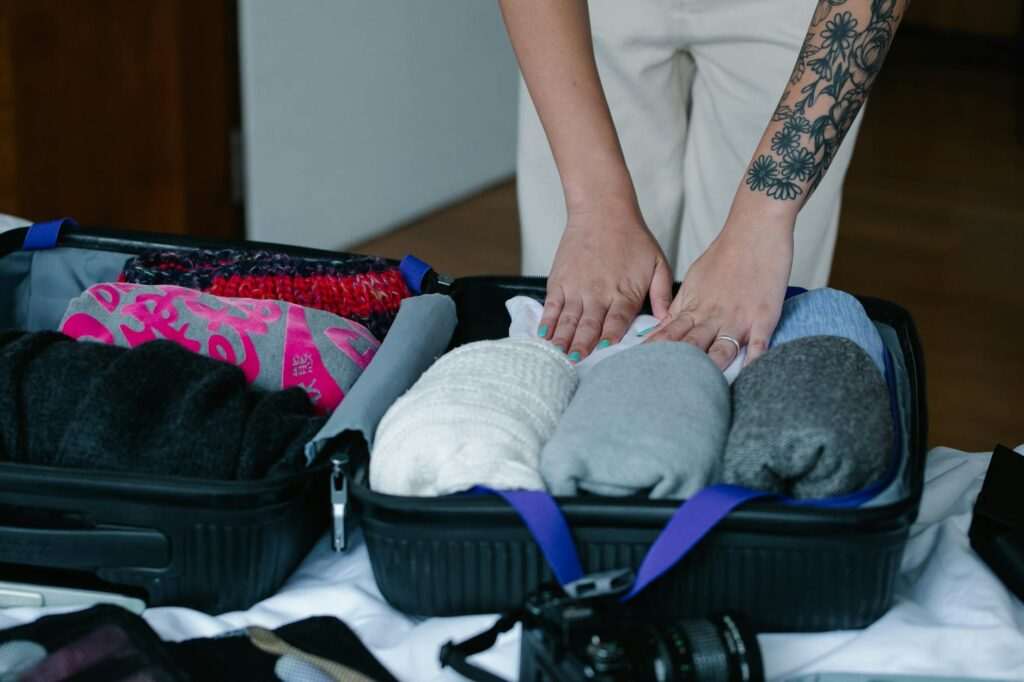
Packing for Anchorage requires understanding Alaska’s dramatic seasonal changes and unpredictable weather patterns. Whether you’re visiting during the midnight sun of summer or the aurora-lit nights of winter, the right clothing makes the difference between comfort and misery in America’s Last Frontier.
From layering strategies that work in spring’s temperature swings to waterproof essentials for summer’s sudden downpours, this guide breaks down exactly what to pack for each season. You’ll learn insider tips from locals who’ve mastered dressing for Anchorage’s unique climate, plus discover where to shop for last-minute gear if you arrive unprepared.
Understanding Anchorage’s Unique Climate
Anchorage’s subarctic oceanic climate creates weather patterns unlike anywhere else in the United States. The city’s location between mountains and ocean moderates temperatures compared to Alaska’s interior, but also creates rapid weather changes that catch visitors off guard.
Summer temperatures range from 60-70°F during the day but can drop to 45°F at night. Winter averages 15-25°F but Arctic air masses can plunge temperatures to -20°F. Spring and fall are transition seasons with wide temperature swings – you might experience 30°F in the morning and 55°F by afternoon.
The key to comfort in Anchorage isn’t predicting the weather – it’s preparing for anything. Locals live by the layering principle because conditions change faster than you can check the forecast. Rain can turn to snow in May, or sunny 65°F can become 45°F and drizzling within hours.
Spring Packing Essentials (April-May)
Spring in Anchorage means breakup season – when winter’s grip finally loosens but hasn’t quite let go. You’ll need clothes for everything from snow flurries to surprisingly warm afternoons. This is Anchorage at its most unpredictable.
Pack a waterproof jacket as your outer layer. Gore-Tex or similar breathable waterproof materials work best because you’ll be peeling layers on and off as conditions change. Avoid cotton – wool and synthetic materials maintain warmth when wet, which you’ll likely be at some point.
Bring warm layers you can add or remove quickly: fleece jacket, wool sweaters, and long-sleeve base layers. Temperatures can swing 25 degrees in a single day, so having multiple mid-layers gives you flexibility the forecast can’t.
Your feet need serious protection during breakup. Waterproof hiking boots with good ankle support handle muddy trails and icy patches. Pack wool socks and bring extras – wet feet in cold weather ruins any outdoor adventure quickly.
Essential spring accessories include warm hat, waterproof gloves, and sunglasses. Spring snow creates surprisingly bright glare, and the combination of snow and rain means your hands stay cold longer than you’d expect.
Summer Packing Strategy (June-August)
Summer visitors often pack too heavy for Anchorage, expecting Arctic conditions year-round. July and August feel more like Pacific Northwest weather – mild days around 65°F with occasional rain and cool evenings that drop into the 40s.
Your base summer wardrobe should include lightweight layers. Pack t-shirts and long-sleeve shirts, but avoid tank tops unless you’re planning indoor time only. Even warm days often include breezy conditions that make bare arms uncomfortable.
A fleece or wool sweater serves as your primary warm layer for summer evenings. Restaurants, museums, and tour buses often run air conditioning that feels excessive after outdoor activities, so having a warm layer prevents that clammy discomfort.
Rain gear remains essential even during the driest months. Pack a lightweight rain jacket and waterproof pants if you’re planning hiking or outdoor activities. Summer storms arrive quickly off the ocean, and afternoon downpours can soak unprepared visitors thoroughly.
Summer footwear should prioritize comfort and versatility. Waterproof hiking shoes handle most activities, but pack one pair of casual shoes for dining out. If your trip includes serious hiking, bring proper hiking boots – REI Anchorage stocks excellent options if you need to upgrade locally.
Don’t forget sun protection during Alaska’s extended daylight. The sun stays high in the sky for 19+ hours in peak summer, and reflection off water and glaciers intensifies UV exposure. Pack sunscreen, sunglasses, and a brimmed hat for outdoor activities.
Fall Weather Preparation (September-October)
Fall transforms Anchorage rapidly, with snow possible by mid-September and winter conditions likely by October. This season requires the most careful packing because conditions change from summer to winter within weeks.
Plan for early winter rather than extended summer. Pack winter jackets, warm hats, and insulated gloves even for September trips. If you’re lucky enough to catch warm fall weather, extra layers are easier to carry than being cold and miserable.
Waterproof everything becomes critical as fall storms bring rain, snow, or both. Your outer jacket should handle whatever precipitation arrives, and waterproof pants become essential for outdoor activities. Fall wetness soaks through clothing faster than summer rain.
Footwear needs to transition to winter mode by October. Insulated, waterproof boots with good traction handle icy sidewalks and early snow. If you’re visiting late October, pack winter boots regardless of the forecast.
Layering becomes more complex in fall because morning freezing temperatures can shift to afternoon warmth. Pack base layers, mid-layers, and outer shells that work together as conditions change throughout the day.
Winter Clothing Essentials (November-March)
Winter visitors need serious cold-weather gear, but Anchorage’s marine influence means you won’t need extreme Arctic clothing. Focus on layering systems that keep you warm without overheating indoors.
Your outer layer should be a quality winter coat rated for temperatures down to -20°F. Parkas with synthetic or down insulation work best, and longer coats protect more of your body from wind and snow. Look for coats with adjustable hoods and wind-resistant zippers.
Base layers become crucial for winter comfort. Merino wool or synthetic materials wick moisture while maintaining warmth. Avoid cotton entirely during winter – it loses insulation when damp and takes forever to dry in cold conditions.
Pack multiple mid-layers for temperature flexibility. Fleece jackets, wool sweaters, and insulated vests allow you to adjust warmth levels as you move between heated buildings and outdoor activities.
Winter footwear requires insulation and traction. Insulated boots rated to -20°F or below keep feet warm during outdoor activities, while grippy soles prevent slips on icy sidewalks. Pack wool socks and synthetic sock liners to prevent blisters from thicker winter footwear.
Essential winter accessories include insulated gloves or mittens, warm hat that covers your ears, and neck protection. A good face mask or balaclava protects exposed skin during extremely cold or windy conditions.
Year-Round Packing Fundamentals
Regardless of season, certain items belong in every Anchorage packing list. These fundamentals handle the city’s unpredictable weather patterns and ensure comfort during any visit.
Pack more socks and underwear than usual. Wet or sweaty base layers feel miserable in cold conditions, and extra pairs let you stay comfortable if laundry facilities aren’t available immediately.
Bring a small daypack for activities and shopping. You’ll constantly add and remove layers as conditions change, and having somewhere to store extra clothing prevents carrying armloads of gear everywhere.
Quality sunglasses work year-round due to snow glare in winter and extended daylight in summer. Wraparound styles protect against wind as well as glare, which proves useful during breezy conditions regardless of temperature.
Pack a basic first aid kit including blister treatment and pain relief medication. New boots and extended walking often create hot spots, and having treatment available prevents minor discomfort from becoming major problems.
Local Shopping for Last-Minute Gear
Even with careful planning, you might arrive in Anchorage needing additional clothing or gear. Fortunately, the city offers several excellent options for upgrading your weather protection after arrival.
REI Anchorage provides the city’s best selection of technical outdoor clothing and gear. Their staff understands Alaska conditions and can recommend appropriate layers for your specific activities and budget. REI’s return policy also means you can try gear and return anything that doesn’t work perfectly.
For more budget-friendly options, Nordstrom Rack Anchorage often stocks quality outerwear at discounted prices. While selection varies, you can often find excellent rain jackets, warm layers, and accessories for significantly less than retail prices.
Department stores throughout the city stock basic cold-weather gear, though selection peaks during fall as stores prepare for winter demand. If you need simple warm layers or accessories, these stores offer convenient options without specialty outdoor pricing.
Weather Surprises and How to Handle Them
Anchorage weather includes some surprises that catch even well-prepared visitors off guard. Understanding these patterns helps you pack more effectively and react appropriately when conditions change unexpectedly.
Summer snow isn’t common but happens occasionally, especially at higher elevations around the city. If your trip includes mountain activities, pack at least one warm layer even during peak summer months.
Sudden temperature drops can occur when weather systems move in from the ocean. A pleasant 60°F afternoon can become a 40°F evening within hours, especially near the water. Always carry or pack one more layer than current conditions suggest you’ll need.
Wind significantly affects comfort levels at any temperature. Anchorage’s location creates occasional strong winds that make 50°F feel like 35°F. Windproof outer layers prove essential even during mild weather periods.
Indoor heating can be aggressive throughout the winter, creating uncomfortable overheating if you’re dressed for extreme cold outside. Layer systems that allow quick adjustment prevent that clammy, overheated feeling in restaurants and shops.
Activity-Specific Packing Recommendations
Different Anchorage activities require specific clothing considerations beyond general weather protection. Planning your wardrobe around planned activities ensures comfort and safety during your visit.
Hiking and outdoor activities demand moisture-wicking base layers, insulating mid-layers, and waterproof outer shells regardless of season. Pack extra socks and bring rain gear even if the forecast looks perfect – weather changes quickly in Alaska’s mountains.
City sightseeing and museum visits need comfortable walking shoes and layers suitable for heated indoor spaces. Summer visitors often overdress for air-conditioned museums, while winter visitors sometimes underdress for the transition between cold outdoors and warm buildings.
Fine dining and evening entertainment typically maintain year-round indoor comfort, but getting there requires appropriate outerwear. Pack dress shoes if fine dining is planned, but prioritize warm, waterproof footwear for transit to and from venues.
Cultural sites like the Alaska Native Heritage Center combine indoor and outdoor experiences throughout the year. Layer systems work best, allowing you to adjust comfort levels as you move between indoor exhibits and outdoor demonstrations or trails.
Laundry and Clothing Care
Extended stays in Anchorage require planning for clothing care, especially during active trips that generate more laundry than usual. Pack efficiently by planning your laundry strategy in advance.
Many hotels offer laundry services, though costs add up quickly for outdoor clothing that needs frequent washing. If your accommodation includes laundry facilities, pack fewer clothes and plan to wash them midway through longer trips.
Technical outdoor clothing often requires special care to maintain water repellency and insulation effectiveness. Read care labels carefully and avoid fabric softeners, which can damage the performance of technical fabrics.
Merino wool and synthetic materials dry much faster than cotton, making them practical choices for travel washing. These materials also resist odors better, extending the time between necessary washing even during active days.
Frequently Asked Questions
Do I need special boots for visiting Anchorage in summer?
Waterproof hiking shoes or light hiking boots work well for summer visits. Unless you’re planning serious backcountry hiking, you don’t need heavy mountaineering boots, but your footwear should handle wet conditions and uneven terrain comfortably.
How much warmer clothing should I pack for spring and fall visits?
Pack for winter conditions even during shoulder seasons. It’s easier to carry extra layers you don’t need than to be cold and miserable. Spring and fall weather in Anchorage changes rapidly, and being overprepared ensures comfort regardless of conditions.
Can I buy appropriate clothing in Anchorage if I arrive underprepared?
Yes, Anchorage has excellent outdoor gear stores and department stores where you can purchase appropriate clothing. However, selection and prices are better if you shop in advance, and specialty items might not always be available in your size during peak tourist season.
Featured photo by Timur Weber on Pexels.

No comments yet.