
Alaska Summer Photography Guide: Best Anchorage Locations & Timing
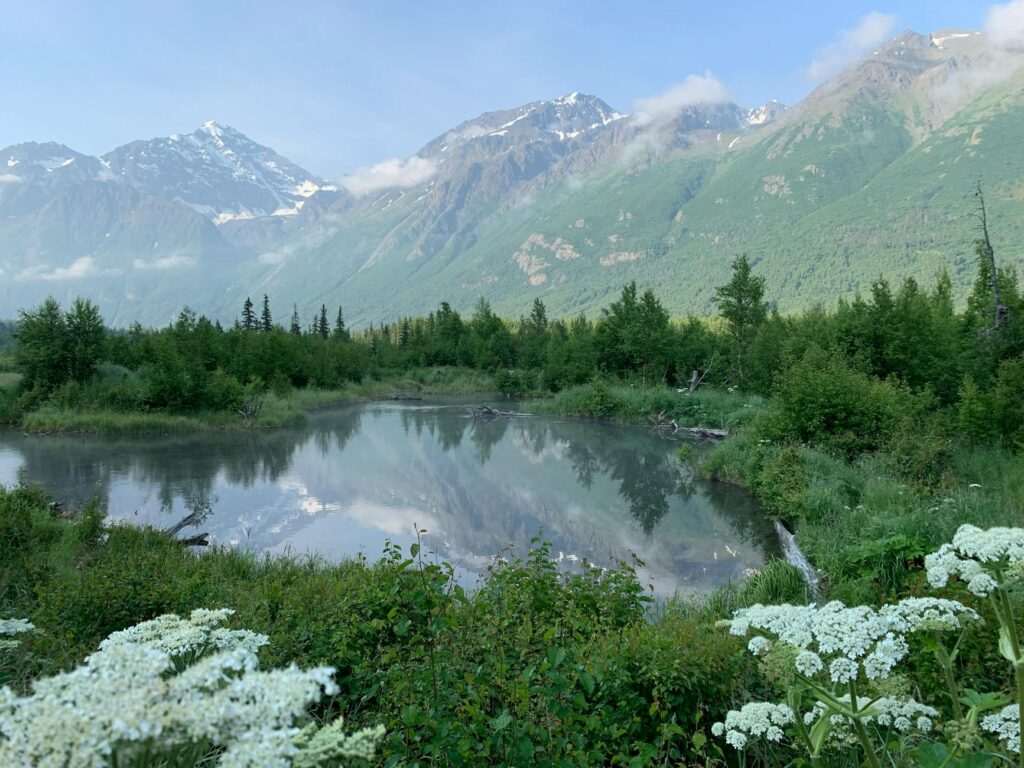
Summer is when Anchorage feels like it was built for photographers. We get long, forgiving light, quick access to mountains and marshland, and enough variety within a short drive that you can shoot wildlife at breakfast, alpine views before lunch, and a glowing skyline late in the evening. If you’re planning an Anchorage summer photography guide around one or two clear days, the trick is less about chasing famous postcard spots and more about timing each place well.
From a local perspective, that usually means starting early for birds and calm water, saving big mountain overlooks for late evening, and keeping one or two flexible backup stops in your pocket when the clouds roll in. Here are the Anchorage-area locations we come back to again and again, plus the timing that gives you the best chance at bringing home shots that actually look like summer in Southcentral Alaska.
Understand Anchorage’s Summer Light First
Our best summer photography tip is simple: do not think like you’re on a normal Lower 48 schedule. Around the height of summer, Anchorage stays bright far later than most visitors expect, which means your nicest light often shows up when dinner would be starting elsewhere. Midday can still work for glacier-blue lakes, big mountain backdrops, and fast-moving wildlife moments, but the most flattering landscape light usually lands in the long evening stretch.
If you only have one day, use it in three blocks. Start your morning at Potter Marsh Bird Sanctuary for birds, reflections, and softer wind. Spend your middle hours somewhere scenic but forgiving like Tony Knowles Coastal Trail or downtown. Then save your dramatic wide-angle work for late evening at Flattop Mountain Trail or Hatcher Pass and Independence Mine State Historical Park.
Best Anchorage-Area Summer Photo Spots
1. Potter Marsh for birds, reflections, and easy access
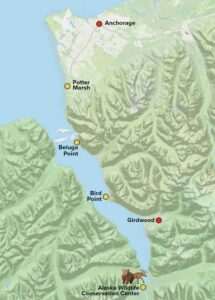
Potter Marsh is one of the easiest wins in town. The boardwalk gives you clean sightlines over wetlands, mountains, and channels where waterfowl move through in summer. Early morning is usually best if you want calmer water and fewer people in frame. Bring a longer lens if you have one, but even a standard zoom works here for wide marsh scenes with the Chugach in the background.
This is also one of the most forgiving locations if you’re traveling with family or anyone who doesn’t want a full hike. You can move slowly, watch for birds, and still come away with layered landscape images that feel unmistakably Anchorage.
2. Tony Knowles Coastal Trail for classic city-meets-wilderness views
When visitors ask for the most Anchorage-looking summer photo stop, Tony Knowles is always in the conversation. The trail gives you water, forest, skyline, and mountain views in one outing. On a clear evening, it is especially good for wide compositions that show how close the city sits to the wild edges of Cook Inlet.
Go late rather than early if you want warmer color and a better chance of dramatic sky. If you’re working handheld, this is a great spot for casual travel photos, bikes-in-frame lifestyle shots, and broad scenic images that don’t require a difficult approach.
3. Flattop for big payoff with very little doubt
Flattop Mountain Trail is popular for a reason: it delivers fast. If you want sweeping city-and-mountain shots that read immediately as Anchorage, this is one of the surest places to get them. On clear summer evenings, the side light helps shape the ridgelines and gives the city below more depth than it has in flat midday sun.
Locally, we like Flattop when the sky has a little texture. A completely bluebird afternoon can still be beautiful, but some cloud definition makes your frames stronger. Bring layers even in summer, because the wind can change the feel of the shoot quickly once you’re above treeline.
4. Hatcher Pass for alpine drama and wildflower season
If you have a car and want your most dramatic landscape set of the trip, point it toward Hatcher Pass and Independence Mine State Historical Park. This is where summer starts to look cinematic: steep ridgelines, old mining structures, wide valleys, and, later in the season, alpine color that adds detail to every frame. It’s farther from downtown than the in-town spots, but that’s exactly why it works so well when you want your Alaska album to look distinct from a city break.
Plan more time than you think you’ll need. Hatcher Pass rewards photographers who stop often, and the best images usually come from noticing side pullouts, changing weather, and little transitions in light rather than rushing straight to one overlook.
5. Alaska Wildlife Conservation Center for tighter wildlife portraits
For dependable animal photography without needing a lucky roadside encounter, Alaska Wildlife Conservation Center is one of the smartest summer additions to your route. It’s especially useful if you want cleaner chances at bison, bears, musk ox, elk, or wood bison in a setting where you can work on composition instead of just reacting. Families also appreciate it because everyone gets a good experience, even if the serious photographer in the group is waiting for a better angle.
This stop works best with a medium or telephoto lens, but don’t ignore the wider environmental frames. Sometimes the strongest Alaska image is not a tight wildlife portrait but an animal placed against the landscape that tells the bigger story.
How We Time a Full Summer Photo Day
If you want a practical route, this is the schedule we’d suggest. Start at Potter Marsh for calm conditions and bird activity. Grab breakfast and coffee in town, then use the middle of the day for lower-pressure documentary images, museum architecture, or a scenic walk. If you need a cultural stop, both Anchorage Museum and Alaska Native Heritage Center work well as part of a broader visual story about the city, especially if your goal is a travel set instead of pure landscape work.
By late afternoon, shift toward your hero location. That could mean Tony Knowles for easy access, Flattop for elevation, or Hatcher Pass if you’re devoting the full day to landscapes. The biggest mistake visitors make is wrapping up too early. In Anchorage, some of the prettiest summer light shows up after many travelers have already headed to dinner.
Gear and Local Practical Tips
You do not need a huge kit here. A wide zoom, a normal lens, and one longer option will cover almost everything in this guide. More important than lens count is being ready for shifting conditions. Keep a microfiber cloth handy, pack an extra battery, and bring a small layer even on sunny days. Weather changes fast, and a light breeze at trailhead can feel much sharper once you’re exposed.
For wildlife, stay respectful and give animals room. For landscapes, watch your footing and don’t wander off trail just to clean up a foreground. Anchorage gives photographers plenty without needing to force the shot. And if you’re driving between locations, build in extra time for pullovers because the best frame of the day may come from an unplanned stop, not the headline destination.
Final Take
The best Anchorage summer photos usually come from matching the right place to the right light. Start easy with Potter Marsh, build toward iconic views on Tony Knowles or Flattop, and save time for one bigger outing like Hatcher Pass or the Alaska Wildlife Conservation Center. If you stay flexible and let the evening light do the heavy lifting, you’ll leave with images that feel far more local than a rushed checklist ever could.
Featured photo by Sara Loeffler on Pexels.


No comments yet.