
Farm-to-Table Dining: Anchorage Restaurants with Local Partnerships
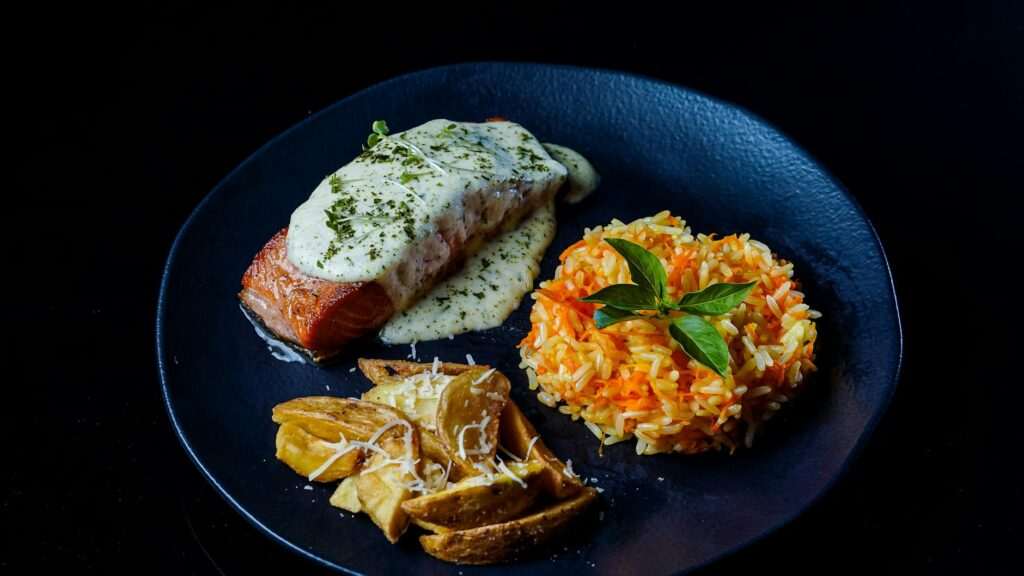
Summer is when Anchorage really shows its hand as a food city. Once the daylight stretches late into the evening, menus start leaning harder into Alaska seafood, local greens, berries, herbs, and breads that taste like they were baked for this exact season. We do not have the same farm-to-table language you hear in Seattle or Portland on every block, but we do have something more interesting: chefs and cafe owners who build plates around what is fresh, what travels well in Alaska, and what locals actually want to eat after a long day outside.
If you are trying to eat closer to the source, the trick is to look for restaurants that name producers, celebrate Alaska seafood without overcomplicating it, and stay flexible enough to follow the season. In practice, that means mixing one polished dinner with a breakfast stop, a neighborhood lunch, and at least one pass through a summer market. Here are the Anchorage spots we would point friends toward first.
Start with the restaurants that make the sourcing visible
If you want the clearest expression of farm-to-table thinking in town, book a table at Altura Bistro. The current menu is the kind that rewards slow reading: dishes built around local red sea urchin, vegetables from Local Roots, Magnolia Cattle wagyu, and Spring Rain Farms rabbit. That matters because it tells you exactly how the kitchen is thinking. You are not just ordering a nice plate of food; you are ordering a snapshot of what chefs can pull from Alaska producers and nearby regional partners right now.
For a more everyday version of that same mindset, Snow City Cafe is one of our favorite breakfast anchors downtown. It is not trying to be precious, and that is part of the appeal. The menu mixes house-made comfort food with Alaska signals that feel natural rather than forced: salmon cakes, AK potato chips, good coffee, and the kind of hearty plates that work before a day on the trail or a long museum afternoon. If you want a local breakfast that still feels connected to place, this is an easy call.
Out in Spenard, Spenard Roadhouse is a useful reminder that farm-to-table does not have to mean white tablecloths and tiny portions. The menu is built for regular people who want strong cocktails, serious comfort food, and a kitchen that still pays attention to local beer and seasonal specials. In summer, this is one of the better places to settle in after biking, paddling, or airport pickup duty when you want something that feels unmistakably Anchorage.
Lean into Alaska seafood when you want the local ingredient with the biggest impact
In South Anchorage, Kincaid Grill remains one of the most reliable dinner moves when you want Alaska seafood treated with some respect. Restaurants here do not need to invent a farm-to-table story from scratch when they already have halibut, salmon, crab, and oysters doing the heavy lifting. The best meals usually let those ingredients stay recognizable, with just enough seasonal produce and acidity around them to keep the plate sharp.
If you want another classic option, Jens’ Restaurant has long leaned on fresh Alaskan seafood as a core part of its identity. That longevity matters. In Anchorage, a restaurant does not keep local loyalty for decades unless the sourcing, execution, and hospitality all hold up. Jens feels like the sort of place you choose when you want a dinner that can satisfy a visitor while still feeling grounded in the city rather than staged for tourists.
One local rule worth remembering: in Anchorage, “farm-to-table” often overlaps with “dock-to-table.” Alaska seafood is one of the clearest ways to eat locally here, especially in summer when visitors are actively hunting for a meal that tastes like the place they came to see. If a menu gives you a chance to choose local fish and the kitchen has a reputation for restraint, take it.
Do not skip the bakeries, cafes, and market stops that complete the picture
A real local-food day is usually not one reservation. It is a sequence. Grab pastry or bread from Fire Island Rustic Bakeshop, then build the rest of the day from there. Anchorage diners sometimes focus so hard on seafood and dinner reservations that they forget how much of a city’s food culture lives in its bread program, coffee routine, and grab-and-go habits. Fire Island is one of the places that makes the whole ecosystem feel stronger.
For a lighter lunch or a vegetarian-leaning reset, Middle Way Cafe fits naturally into the same conversation. It has the kind of health-conscious, produce-friendly energy that works especially well in summer, when locals are trying to balance big adventure days with meals that still leave room for a second stop later on.
And if you want to see the local-food pipeline in a more direct way, carve out time for the Anchorage Market & Festival. Even when you are not shopping for a full grocery haul, market time helps you understand what is actually moving through the city in summer: baked goods, small-batch products, produce, prepared foods, and the rhythms that shape restaurant menus a few blocks away. It is one of the easiest ways to connect the dots between Anchorage kitchens and Anchorage growers, makers, and vendors.
How to plan a farm-to-table day in Anchorage
If you want the easiest version of this experience, keep it simple. Start with breakfast at Snow City Cafe, browse the market if it is open, then save your main dinner for Altura, Kincaid Grill, or Jens depending on your mood and budget. If you are staying central, that route keeps transit easy and gives you a broad look at how Anchorage handles local ingredients across different price points.
A second strategy is to match your meal to the activity around it. Coming back from Kincaid, South Anchorage, or a coastal trail? Kincaid Grill makes sense. Doing a downtown museum day? Snow City, Fire Island, and the market all fit naturally. Meeting friends in Spenard? Spenard Roadhouse is the low-friction choice. The best Anchorage food plans usually work because they are geographically sensible, not because they chase the fanciest table in town.
The local takeaway
Farm-to-table dining in Anchorage is less about one strict label and more about reading the city correctly. Look for kitchens that name producers when they can, celebrate Alaska seafood without hiding it, and cook in a way that makes sense for the season. Do that, and you will eat very well here. In summer especially, Anchorage rewards diners who treat breakfast, market browsing, bakery stops, and dinner as one connected local-food experience rather than separate errands.
Featured photo by pedro furtado on Pexels.




No comments yet.