
Complete Salmon Fishing Guide in Anchorage 2026
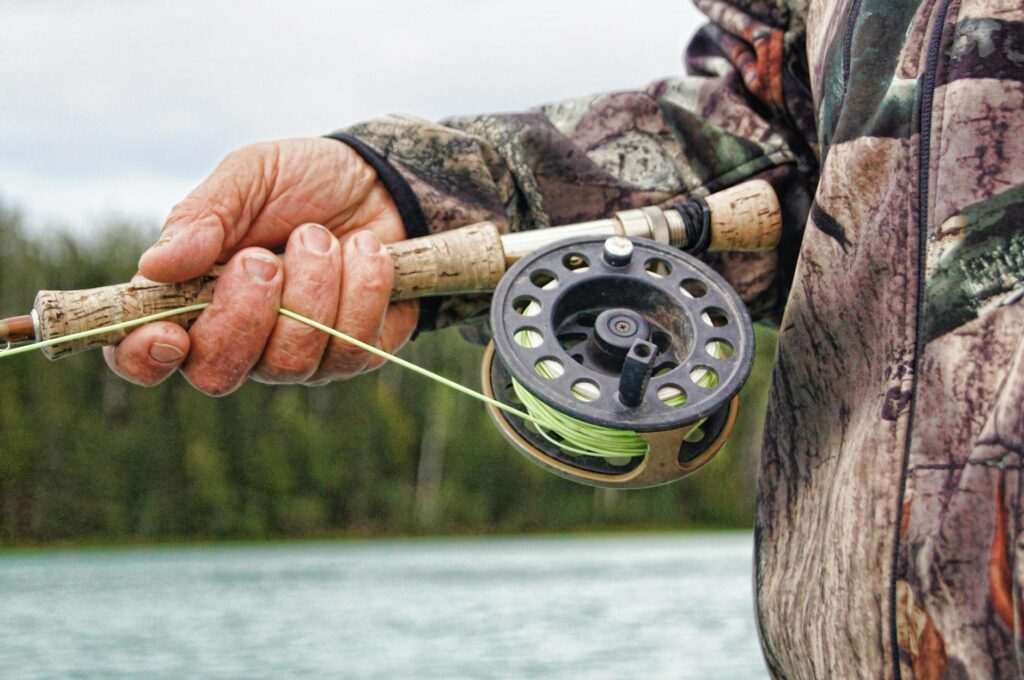
Anchorage is one of the few cities in the country where you can finish breakfast downtown, drive a few minutes, and start fishing for salmon in a creek that still feels genuinely wild. That is the appeal. You do not have to commit to a remote lodge trip to get a real Alaska salmon experience. But you do need to know the timing, the rules, and which spots make sense for the kind of day you actually want.
If you are planning salmon fishing in Anchorage for 2026, the basics are still the same: Ship Creek is the city’s signature urban salmon fishery, Campbell Creek Fishing matters more for family and coho timing than many visitors realize, and if you want the least guesswork, a local charter or guide can save you a lot of trial and error.
First, know the 2026 rules before you fish
Alaska Department of Fish and Game remains the source that matters here. For 2026, anglers need a valid Alaska sport fishing license, and anyone planning to keep king salmon also needs a current king salmon stamp unless they fall under an exemption category. ADF&G’s current statewide license and stamp schedule still makes that a separate decision, so do not show up at Ship Creek assuming a basic license alone covers king retention.
The other rule that trips people up is that Anchorage regulations change by water and by species. ADF&G’s current Anchorage-area updates continue to treat Ship Creek as the main urban king salmon option, while Campbell Creek’s king fishery stays youth-only during its limited opener. The cleanest local advice is simple: check the current ADF&G emergency orders and area regulations the night before you go, not just once when you first start planning the trip.
Ship Creek is still the headline salmon fishery
Ship Creek Salmon Fishing is the place most people picture when they think about fishing in Anchorage, and for good reason. It is urban, accessible, and unusually memorable. ADF&G’s current Anchorage-area guidance still frames Ship Creek as the primary king salmon fishery in town, with kings generally peaking from late May into July and coho taking over later in the summer and into early fall.
What makes Ship Creek appealing is not just the chance at fish. It is the whole setting: downtown hotels nearby, tidal rhythm, trains, mudflats, and the fact that you are fishing for salmon in the middle of Alaska’s largest city. If you are visiting Anchorage and only plan to fish once, this is usually the water I would start with because it delivers the most distinctive “only in Anchorage” version of salmon fishing.
That said, it is not the place for casual rule-reading. Tides matter. Retention rules matter. Snagging rules matter. If you are new to the fishery, it is worth walking the creek first, watching how locals are set up, and checking the posted rules before your line ever hits the water.
Campbell Creek is a smarter family option than many visitors expect
Campbell Creek Fishing does not get the same visitor attention as Ship Creek, but it deserves a place in any complete Anchorage salmon guide. ADF&G’s current Anchorage summaries continue to note Campbell’s importance for stocked coho opportunities later in the season, and its limited king access remains centered on the youth-only opener rather than a broad open fishery.
That distinction matters. If you are traveling with kids, Campbell Creek can make more sense as a learning water and a lower-pressure family outing. If you are coming specifically for adult king retention, Ship Creek is the much more obvious place to focus. Think of Campbell as the better “family summer fishing day” creek and Ship as the city’s marquee salmon destination.
It is also easier to combine Campbell with a broader Anchorage day. You can fish in the morning, reset in town, and still have room for other plans without feeling like the entire trip hinges on one crowded tide window.
Guided vs. self-guided: which one actually makes sense?
If your goal is to learn the Anchorage fishery quickly, guided is the faster path. A self-guided day can absolutely work, especially if you already understand salmon tackle and are comfortable reading regulations. But if you are visiting for a short window, a guide saves time on access, gear, timing, and local pattern knowledge.
For local options, listings like Drill Team Six Fishing Excursions, Fishermans Choice Charters, and Alaska Good Time Charters are the names I would start checking if you want a more structured trip. A guide is especially useful if you are trying to decide between staying local in Anchorage or shifting toward a boat-based or coastal day instead.
Self-guided makes the most sense when you have flexibility, already own the basic gear, and are comfortable adapting to current conditions. Guided makes the most sense when the day matters more than the experiment.
What gear to bring
You do not need an absurd amount of gear for Anchorage salmon fishing, but you do need the basics dialed in. Chest waders or at least waterproof boots help, especially around Ship Creek. Bring layers, because Anchorage fishing weather changes fast even in summer. Polarized glasses matter more than people expect. And if you are traveling without tackle, stops like REI Anchorage and The Bait Shack are practical places to solve last-minute gear problems.
My strongest local advice is to pack for mud, not just for scenery. Visitors often picture clear mountain-river fishing. Ship Creek in particular is a tidal urban fishery, and that means your cleanest vacation shoes are rarely the right call.
Processing and food: think ahead before you keep fish
One mistake visitors make is focusing on the catch without thinking through what happens next. If you are keeping salmon, know your storage plan before you fish. Bring a cooler. Bring ice. Know whether you are cooking the fish the same day or trying to travel with it. Anchorage makes this part easier because you are still in a city, but you should still treat it like part of the fishing plan, not something to improvise later in the parking lot.
If you are staying nearby and want the quick local play, a same-day grilled salmon dinner is hard to beat. If you are on a longer Alaska itinerary, ask early about vacuum sealing, freezing, or shipping options instead of waiting until the night before your flight.
Our local 2026 salmon-fishing game plan
If I were giving a simple salmon plan to a visitor, it would be this. Check ADF&G regulations and emergency orders the night before. If you want the signature Anchorage experience, fish Ship Creek for kings in the early summer window or coho later on. If you are fishing with kids, pay attention to Campbell Creek timing and youth-only opportunities. If the trip matters more than the learning curve, book a guide and let them shorten the guesswork.
That is the real beauty of salmon fishing in Anchorage. It can be as DIY or as dialed-in as you want it to be. You can chase the urban creek experience, build a family fishing day, or hand the logistics to a guide and just focus on the water. The key is respecting the rules, matching the spot to the season, and planning the “after” as carefully as the cast itself.


No comments yet.