
Rock Climbing in Anchorage: Gyms, Crags, and Local Tips
If you spend enough time in Anchorage, climbing starts to feel less like a niche sport and more like part of the local rhythm. On a wet spring evening, the scene gathers under the walls at Alaska Rock Gym. On a clear summer weekend, the same people are chasing dry rock in Hatcher Pass, scouting roadside crags near Turnagain Arm, or tacking on a quick scramble after a hike like Flattop Mountain Trail. If you are climbing-curious, Anchorage is a great place to start. If you already bring your own shoes and harness, there is enough variety here to keep you busy for a long trip.
The short version: Anchorage gives you an excellent indoor training option, a small but committed outdoor climbing community, and easy access to mountain terrain that feels much bigger than a city of this size should have. Here is how locals approach the scene, where beginners should start, and when it actually makes sense to plan for outdoor rock.
Start Indoors at Alaska Rock Gym
If you are brand new, start at Alaska Rock Gym. It is the obvious entry point for visitors, families, and anyone who wants a lower-stakes first session before moving outdoors. The gym has bouldering and roped climbing, and it also runs orientation, belay certification, lessons, and clinics. That matters in Anchorage, because the gym is not just a rainy-day backup. It is where people build skills, meet partners, and stay strong when shoulder-season weather is doing its usual Alaska thing.
Locally, that indoor-to-outdoor pipeline is real. A lot of climbers first get comfortable on the wall, learn the language of movement and safety systems, and then branch out to sport climbing, top-rope setups, alpine scrambling, or glacier travel later. If you are visiting without a partner or rack, the gym is also the easiest place to get current beta on conditions and find out what is actually dry.
What Outdoor Climbing Near Anchorage Really Looks Like
One thing to know before you pack a trip around “rock climbing in Anchorage”: this is not a plug-and-play destination with a hundred polished roadside sport routes ten minutes from downtown. Anchorage climbing is more spread out, more condition-dependent, and more Alaska in temperament. That is part of the appeal. The payoff is wild scenery, smaller crowds, and days that can feel exploratory even when you are less than two hours from the city.
Most climbers break it into three buckets. First, there is local training and community at the gym. Second, there are roadside and short-approach crags around Southcentral Alaska for days when the weather cooperates. Third, there are bigger mountain objectives where climbing overlaps with hiking, scrambling, glacier travel, and route-finding. If you want a classic Anchorage-style weekend, you might train indoors midweek, head north for bouldering on Saturday, and finish Sunday with a hike and pizza at Moose’s Tooth Pub & Pizzeria.
Hatcher Pass for Bouldering and Big-Alaska Scenery
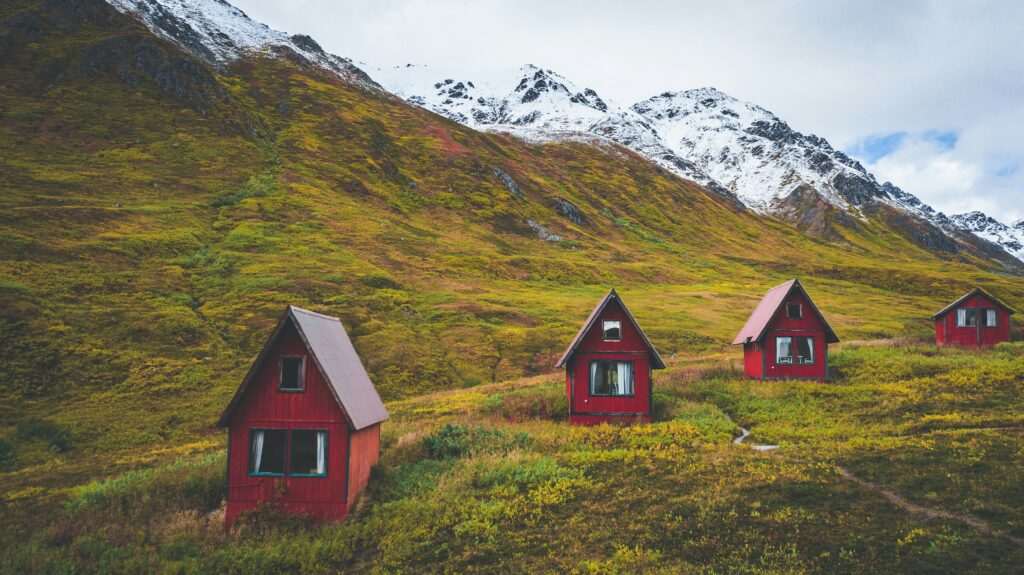
Ask local climbers where to start thinking about outdoor rock, and Hatcher Pass usually comes up fast. The area is best known broadly for mountain access, hiking, and alpine terrain, but it is also a favorite jumping-off point for bouldering and exploratory days on rock. The draw is obvious once you get there: open tundra, broad views, cool summer temperatures, and a landscape that makes even a short session feel like an outing.
There is one practical catch. Hatcher Pass access is seasonal. Alaska DNR notes that the road over the summit is generally open only from around July 1 through September 15, depending on snow conditions, and high-elevation snow can linger well into summer. In plain English, do not assume “summer” means full access in June. When locals talk about getting on rock, they are also talking about road openings, snowpack, seepage, and how much sun a wall has seen lately.
If you are not ready to self-manage an outdoor day, consider booking with Alaska Adventure Guides. Even if the outing leans more toward hiking, glacier travel, or general mountain travel than pure cragging, a guided day is one of the best ways to get comfortable with Southcentral Alaska terrain before you start piecing together your own objectives.
Bird Ridge and Why Anchorage Climbing Rewards Experience
Bird Ridge gets mentioned often because it sits in one of the most dramatic corridors near Anchorage, right above Turnagain Arm. Even hikers know the zone for steep terrain, huge views, and a workout that starts almost immediately from the trailhead. The official Bird Ridge trail guide from Alaska State Parks lists about 3,400 feet of elevation gain and calls out the need for proper footwear and water, which tells you a lot about the character of the terrain before you even add climbing gear.
That is why Bird Ridge and similar Southcentral objectives are better framed as “for experienced climbers with strong judgment” than “easy half-day beginner outings.” Anchorage climbing can get consequential fast. Loose rock, variable weather, snow patches lingering in gullies, and long descents are all normal parts of the picture. If you are comfortable in mountain terrain, that is part of what makes the area special. If you are not, the smart move is to keep your first few sessions indoors or go out with someone who knows the local ethics and access patterns.
Best Season for Outdoor Rock
The cleanest answer is mid-summer through early fall, with plenty of exceptions. July and August are the safest bet for the broadest access, especially if Hatcher Pass is part of the plan. September can be excellent too, with cooler temps and fewer bugs, but daylight drops quickly and early storms are always possible. South-facing rock can come in earlier, and motivated locals will squeeze in shoulder-season days whenever things line up, but visitors should plan conservatively.
If your trip is in winter, spring breakup, or a stretch of wet weather, do not force the outdoor part. Just lean into the indoor scene. That is exactly why the gym matters so much here. Anchorage is one of those places where a strong “Plan B” is not a compromise. It is part of climbing well in Alaska.
How Beginners Should Build a First Anchorage Climbing Trip
For most people, the ideal progression is simple. Spend your first session at the gym. Learn or refresh your belay skills. See how your body feels on steeper terrain. Then, if you want more mountain time, add a hike or guided outing rather than jumping straight into a crag day with no local context. A trail like Thunderbird Falls Trail is not a climbing route, but it is a good reminder that Southcentral Alaska rewards steady footing, changing layers, and realistic timing. Those habits carry straight into climbing days.
If you already climb regularly, Anchorage works best when you stay flexible. Bring layers. Keep your objectives loose. Ask around about current conditions. Accept that the best day of the trip may be the one you did not plan a week in advance. That is not disorganization. That is just local style.
Why the Anchorage Climbing Scene Sticks With People
What keeps people hooked here is not just the movement on rock. It is the setting around it. You can get an early gym session before work, watch the weather shift across the Chugach on your drive home, and be scheming a weekend mountain mission by dinner. The community is small enough that people still share beta generously, but active enough that there is usually something going on if you make the effort to plug in.
If you want a climbing trip with polished convenience, there are easier places to go. If you want a climbing trip that feels tied to real mountains, long summer light, and a city that still leaves room for adventure, Anchorage is a very good bet.
Featured photo by Corey Simoneau on Unsplash.

No comments yet.