
Paddleboarding and Kayaking in Anchorage: Best Spots and Tips
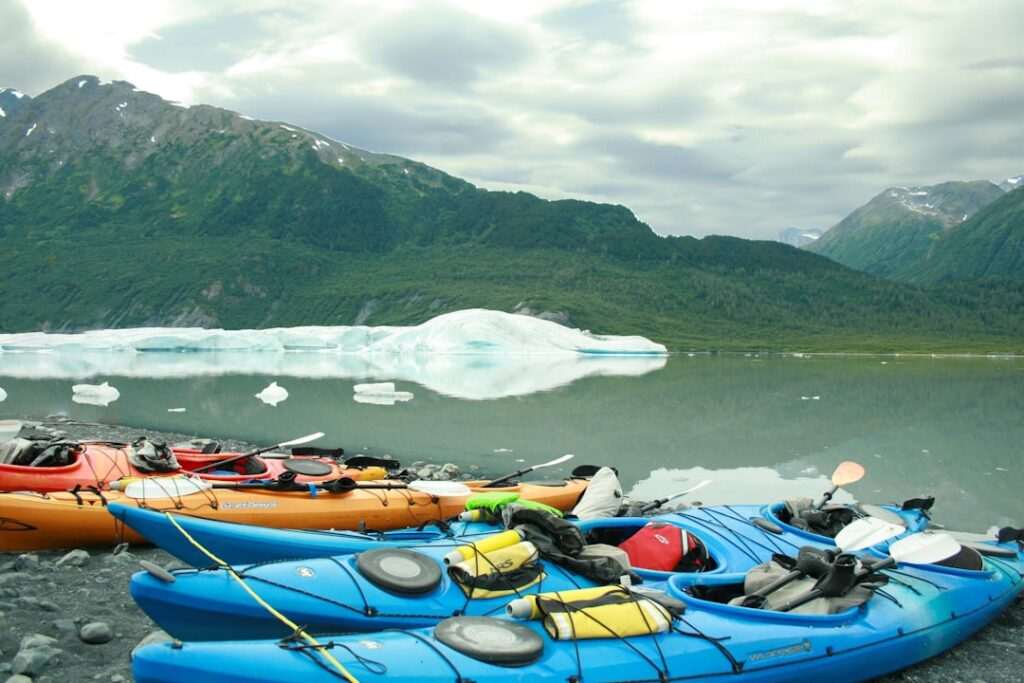
If you want one summer activity that instantly makes Anchorage feel bigger, wilder, and more dramatic, get out on the water. One calm evening on a paddleboard or in a kayak can give you a front-row view of the Chugach, glassy reflections, and that classic Alaska feeling where the city slips away in a matter of minutes. The trick is choosing the right water for your skill level. Around Anchorage, the jump from an easy lake paddle to a serious tidal outing is real, and locals treat that difference with respect.
This guide covers where to paddle if you are just starting out, where to go when you want a more memorable Alaska-style outing, and when to hand the logistics to an outfitter. If you would rather let someone else handle planning, Alaska Adventure Guides and Alaska Tours are both good starting points for building an Anchorage adventure day around the water.
Start With The Calm Stuff
If you are new to paddleboarding or kayaking, stay on the lakes first. Anchorage has enough mellow water close to town that there is no reason to make your learning day harder than it needs to be. Goose Lake is one of the easiest places to begin because it is central, familiar, and easy to pair with a quick beach-style afternoon. On a warm day, it is the kind of spot where you can test balance, practice strokes, and get comfortable with your gear without committing to a full expedition.
Jewel Lake is another solid choice for a low-pressure evening paddle, especially if you live on the west side and want something easy after work. The vibe is relaxed, the scenery is suburban-Alaska in the best way, and the payoff comes when the wind settles and the mountains start showing up in the distance. These smaller lakes are ideal for stand-up paddleboards, beginner kayaks, and families who mostly want a scenic hour on the water rather than a full-day mission.
My usual advice for visitors is simple: if you are wondering whether a spot might be too ambitious, it probably is for your first outing. Anchorage rewards conservative decision-making on the water.
Eklutna Lake Is The Classic Anchorage Paddle
When people picture paddling near Anchorage, they are usually picturing Eklutna Lake. It is the signature lake paddle in our area for good reason. The water is glacier-fed and bright turquoise, the mountains rise right out of the shoreline, and the drive is still short enough to make this feel like a day trip instead of a full travel day. It is also one of the best spots to get that “I cannot believe this is this close to Anchorage” reaction.
Eklutna works for both kayakers and paddleboarders, but it deserves more respect than the little city lakes. Alaska State Parks notes that motorized boats are generally not allowed on Chugach State Park waters, with electric motors the exception on Eklutna Lake, and the park specifically warns that strong afternoon winds can develop. That means mornings and calmer weather windows are your friend. If you want the prettiest, easiest version of Eklutna, go earlier, bring layers, and plan to be off the water before the lake starts kicking up.
It is also one of the easiest places near Anchorage to rent gear instead of hauling your own. Lifetime Adventures operates right at Eklutna Lake and offers kayak rentals, guided tours, lessons, and shuttle-style options for longer days. That setup makes Eklutna especially good for visitors who want Alaska scenery without guessing on logistics.
For A Scenic Combo Day, Pair The Water With Nearby Anchorage Favorites
One of the best ways to turn a paddle day into a full Anchorage day is to build in an easy before-or-after stop. If you are staying in town, a walk or bike ride on the Tony Knowles Coastal Trail pairs especially well with a paddling day because it keeps that same big-view energy going. You still get water, mountains, and a little wildlife-watching potential, but without needing to stay geared up all day.
And if you need a post-paddle reset, Fire Island Rustic Bakeshop is exactly the kind of stop locals make after an active morning. A strong coffee and something warm from the pastry case hits differently after a chilly launch and a couple of hours of paddling.
When You Want Something Bigger Than A Lake
Once you have some experience, the Anchorage area opens up fast. The Portage side of Southcentral is where paddling starts to feel much more dramatic, with glacier country, bigger water, and a stronger sense of exposure. It is beautiful, but it is not where I send beginners to figure things out. This is where guides, local knowledge, weather awareness, and cold-water preparation matter a lot more than enthusiasm.
Portage-area outings can be unforgettable because the scale is pure Alaska: hanging glaciers, steep mountains, and water that feels connected to the bigger story of Southcentral’s ice and tides. The tradeoff is that conditions can shift quickly, and a casual mindset can get expensive or dangerous in a hurry. If your goal is “wow factor” more than independence, this is the zone where booking a guided trip makes the most sense.
Turnagain Arm Is Beautiful, But It Is Not Casual Water
Every summer, visitors look at Turnagain Arm from the highway and think it would make an incredible paddle. They are right about the scenery and wrong if they assume it is beginner-friendly. Turnagain Arm is a serious tidal environment. The bore tide can rise dramatically in the right conditions, and travel resources for the area repeatedly warn people to stay off the mud flats because people have died after getting stuck in glacial silt and overtaken by incoming water. That is not background drama. It is the core reality of the place.
Even beyond the famous bore tide, the larger problem is that Turnagain Arm combines fast-moving water, cold water, mud, and wind in a way that leaves very little margin for mistakes. This is not the place for first-timers on rental boards. If Turnagain Arm is on your list, treat it like a guided or advanced paddler objective, not a spontaneous scenic detour.
Cold Water Is The Real Anchorage Paddling Rule
The single most important thing to understand about paddling around Anchorage is that warm air does not mean warm water. National Weather Service guidance on cold-water safety is blunt: sudden immersion can trigger cold shock, involuntary gasping, rapid breathing, and a much higher risk of drowning, even in water that does not sound especially frigid on paper. In Alaska, that matters all summer long.
So yes, wear the PFD every time. Dress for the water, not just the forecast. Pack dry layers in a dry bag. If you are headed to Eklutna or anywhere bigger than a small city lake, think seriously about a wetsuit or drysuit, especially early and late in the season. The toughest paddlers I know are usually the least casual about safety because they understand how quickly a fun day can tilt the wrong way in cold water.
Local Tips For A Better Paddle Day
Start early if you can. Anchorage paddling days usually get better when you beat the wind, the crowds, and your own temptation to overcommit. Keep your first outing short enough that you finish wanting more. Bring extra layers even when the parking lot feels warm. And if you are renting, ask the outfitter what the water is doing that day instead of assuming every bluebird day is a green light.
If you are visiting without your own setup, the easiest strategy is to choose one calm lake day and one guided Alaska-style paddle day. That gives you both sides of the local experience: an easy, confidence-building session and the bigger scenery you came here for.
The Best Anchorage Paddle Is The One That Matches Your Experience
For beginners, Goose Lake and Jewel Lake are the easy entry points. For the classic Anchorage-area experience, Eklutna Lake is the standout. For big scenery and bigger commitment, the Portage area delivers. And for Turnagain Arm, respect the water enough to admire it before deciding you belong on it.
That is really the Anchorage way. We love the dramatic version of summer here, but we also know the best days happen when your plan matches the place. Pick the right water, keep a little humility in the boat, and Anchorage will reward you with one of the best paddling backdrops anywhere in Alaska.
Featured photo by Michael Jadrich Ortiz on Unsplash.

No comments yet.